Summary
Equine SOAP notes software is practice management built for horse veterinarians that captures structured clinical records, including AAEP lameness grades, Henneke BCS scores, and height in hands, alongside multi-owner billing and lifetime horse histories. Unlike generic veterinary platforms designed for small-animal clinics, equine-native software handles mobile field documentation, barn-level scheduling, and offline functionality required for ambulatory practice.
This guide explains what equine veterinary software does, why it differs fundamentally from adapted small-animal systems, and how to evaluate whether your practice needs it. If you're a solo ambulatory vet or manage a multi-vet equine clinic, the right software becomes your field documentation backbone, capturing what happened at the barn in a format that protects your practice and flows directly into billing.
Why Equine Practices Need Purpose-Built Software
Most equine veterinarians still work in spreadsheets, paper charts, or software originally designed for companion-animal clinics. These systems fail ambulatory practice because they were built around front-desk workflows: receptionist intake, exam-room documentation, and back-office billing.
Equine practice inverts that model. You document at the barn. Multi-owner horses mean one visit generates invoices to different clients. Barn calls require offline capability and mobile-first design. Equine-specific software means building around these realities, not retrofitting small-animal tools.
The clinical data itself differs too. Equine records track height in hands, gender as mare/gelding/stallion (not "M/F"), AAEP lameness grades, and pre-purchase exam templates. Generic systems store these in free-text fields, making them unsearchable and unusable for practice analytics or compliance audits.
Core Features of Equine Veterinary Software
Clinical Documentation and SOAP Notes
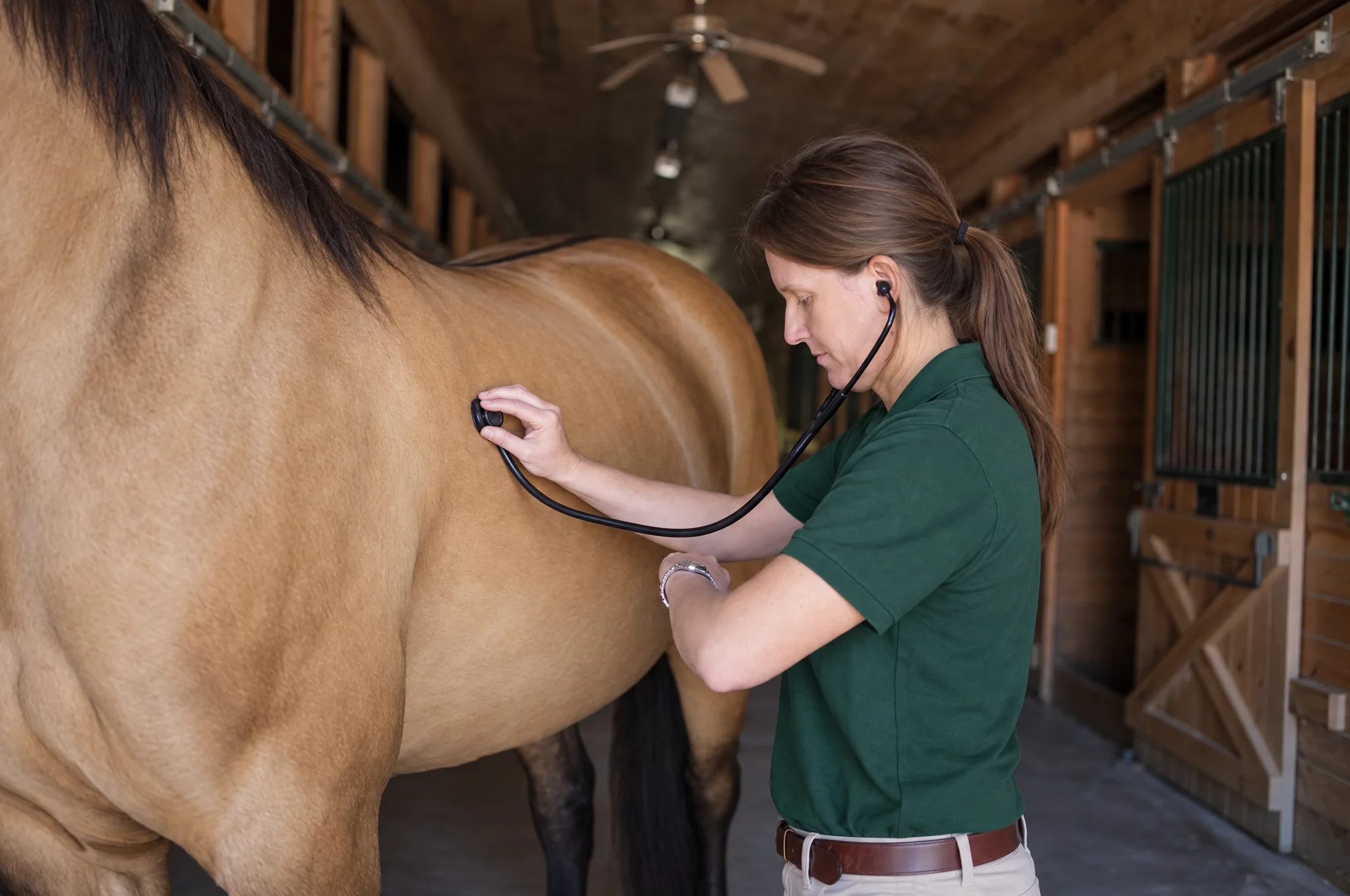
Equine SOAP note software structures subjective findings, objective measurements, assessments, and plans into audit-ready records. Built-in templates for lameness exams, pre-purchase evaluations, and dental work capture standardized data, including AAEP grades, Henneke body condition scores, and hoof measurements, in fields your practice can search and trend over time.
Voice-to-text documentation accelerates this workflow. Rather than typing full paragraphs at the barn, you dictate findings and the software structures them into SOAP format automatically. This addresses the core ambulatory challenge: field vets have no time for elaborate documentation, but compliance and billing require complete records.
Scheduling and Barn-Level Workflow
Equine scheduling software manages barn calls, not individual appointments. You block time for a facility visit, assign multiple horses to that call, and the software tracks which services (exam, vaccine, dental, ultrasound) apply to each animal. This eliminates the small-animal model of "one horse = one appointment slot."
Barn Operations, a workflow unique to equine practice management, applies a service to every horse at a facility during one visit, then generates one invoice per owner. This single feature cuts administrative overhead by hours per week for practices doing routine barn visits.
Mobile and Offline Documentation

Ambulatory vets work where cellular coverage is unreliable. Equine-native software runs offline on iOS and web apps, syncing records when connectivity returns. You complete exams, update records, and capture photos at the barn; the system stores everything locally and uploads to the cloud overnight.
Generic practice management software treats offline as an afterthought add-on (if it exists at all). Purpose-built equine software treats offline as the primary use case.
Multi-Owner Billing and Clinical Records
One horse can have an owner, a trainer, and a boarding facility, each potentially responsible for different charges. Multi-owner horse billing automatically routes exam fees, medication costs, and boarding charges to the correct client, generating separate invoices from a single visit.
This matters operationally and clinically. Your medical records must reflect who authorized treatment and who receives the invoice. Equine-specific billing software treats owner, trainer, and barn as distinct record types; small-animal software conflates them.
Lifetime Horse Histories
Equine records are organized around the individual horse, not the visit. You search by horse name and see every exam, vaccination, medication, and diagnosis over years. This continuity is essential for detecting patterns, such as a mare's recurring colic, lameness trends in a jumping prospect, or medication sensitivities.
Generic practice software organizes records by appointment date and requires you to hunt through visits. Equine-native systems make the horse the primary object; visits are subordinate.
How Equine Software Differs from Small-Animal Practice Management
The gaps between equine and general veterinary software are structural, not cosmetic:
- Data model: Equine software stores height in hands, correct gender terms, trainer as a first-class record type, and barn location. Small-animal software forces these into notes.
- Field-first design: Equine software prioritizes offline mobile documentation and barn-level scheduling. Small-animal software assumes a clinic with front-desk intake and network connectivity.
- Billing workflow: Equine software applies services to multiple horses in one visit and routes charges to multiple owners. Small-animal software processes one patient per transaction.
- Compliance templates: Equine records require AAEP lameness documentation, pre-purchase exam standards, and DEA controlled-substance logging specific to equine practice. Small-animal software has none of these.
AI and Documentation Efficiency
_1789076144433.webp)
Modern equine veterinary software integrates AI-assisted documentation to accelerate SOAP note creation. Rather than transcribing voice recordings yourself, the software converts dictation to structured text, fills template fields, and flags missing data before you leave the barn.
This bridges the gap between clinical quality and administrative burden. You can document thoroughly in real time without sacrificing hours to typing after hours.
Evaluating Equine Veterinary Software for Your Practice
When comparing options, assess these criteria:
- Equine-native data model: Does the software store height in hands, correct gender terms, and multi-owner records natively? Or force them into free text?
- Offline capability: Can you complete exams and documentation without cellular coverage, with real-time sync when connectivity returns?
- Barn-level scheduling and billing: Does the software apply one service to multiple horses and generate one invoice per owner?
- Clinical templates: Does it include AAEP lameness, pre-purchase exam, and other equine-specific workflows?
- Mobile-first design: Is the interface built for tablets and phones in the barn, or adapted from desktop-first software?
- Scalability: Will the software support your practice as it grows from solo calls to multi-vet clinic operations?
StableTrack's full features page shows each workflow in detail, from SOAP note creation through Barn Operations billing. For equine vets, that means choosing a system built for how you actually practice, not one retrofitted from companion-animal medicine.