Ambulatory farm calls are where equine practices either run smoothly or slowly bleed time.
On paper, the visit is simple: schedule the stop, treat the horse, document what happened, bill the client, move on. In reality, it is a rolling workflow with unpredictable timing, multiple decision makers on-site, and a long list of details that are easy to miss at the end of the day.
If equine veterinary software is built around a front desk and an exam room, ambulatory work will always feel like a workaround. If it is built around the farm call, it becomes an operational advantage.
Here is what an ambulatory-first system should support.
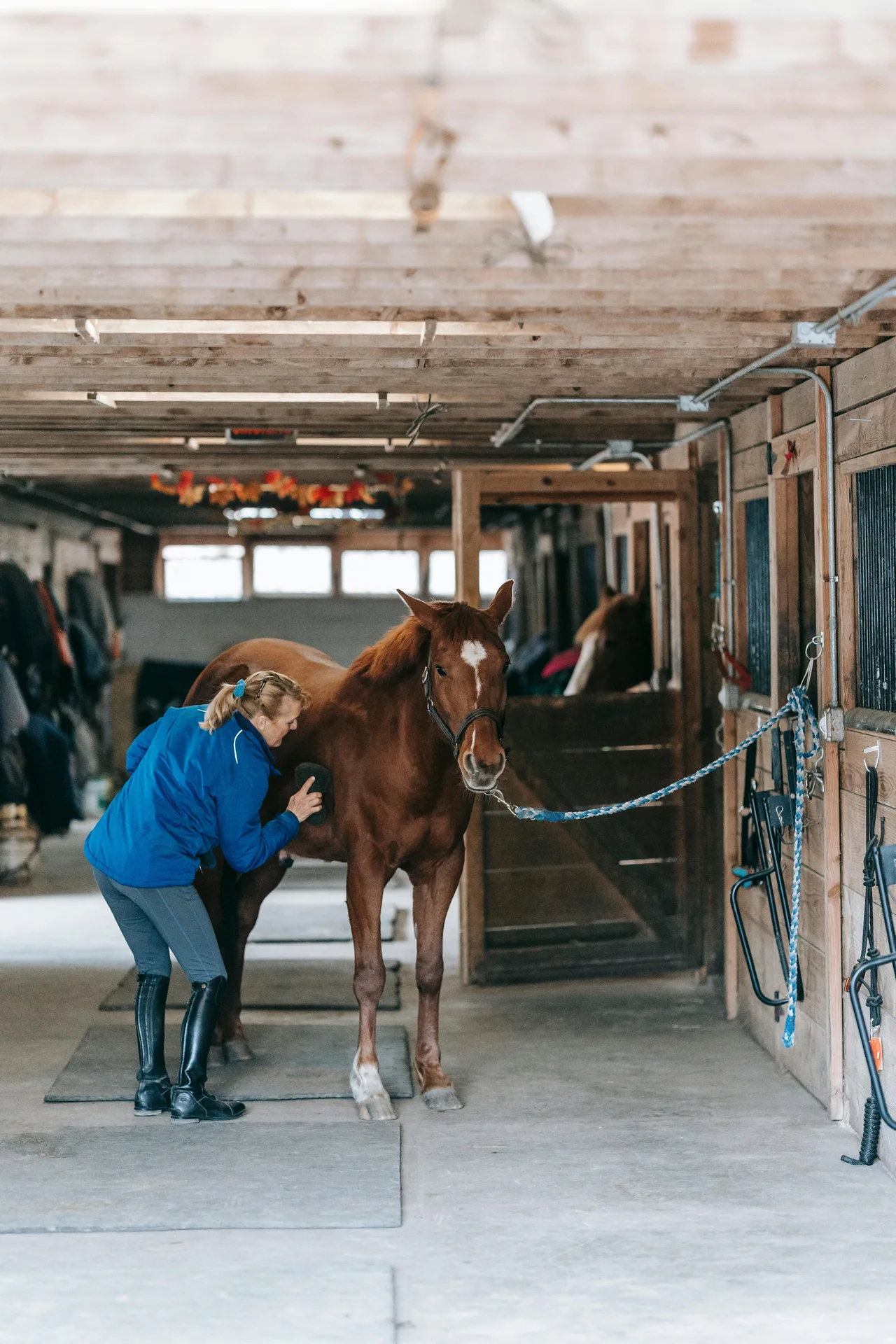
1. Scheduling That Reflects How Farm Days Actually Work
In ambulatory practice, schedules are not single appointments. They are routes.
A system should make it easy to:
- Group appointments by barn or geography
- See travel time and dead time clearly
- Handle add-on horses without breaking the day
- Update the schedule quickly when emergencies reshuffle everything
In the field, you do not have time to click through multiple screens. A good equine practice management system keeps the schedule legible at a glance.
If you are evaluating options, start here: equine ambulatory practice software.
2. Fast Access to the Right Record in Front of the Horse
At the farm, the question is rarely "Do we have a record?" It is "Can I find what I need in 15 seconds?"
For ambulatory calls, equine medical records software should support:
- Quick horse lookup by name, barn, or owner
- A clean chronological history, not a pile of notes
- Easy access to prior medications, treatment history, and relevant past visits
- Clear documentation of recurring issues like lameness or chronic conditions
If a horse is being rechecked for a problem you have seen before, the record needs to be usable under real conditions.
3. Documentation That Works in Real Conditions
Farm calls are not quiet. Your hands are busy. You might be in bad lighting, wind, dust, rain, or a loud barn aisle.
The system needs to support documentation that is:
- Quick to capture and easy to finish later without losing detail
- Structured enough to prevent missing key information
- Consistent across veterinarians in the same practice
The most important operational principle here is simple: the longer documentation is delayed, the more billing and accuracy suffer.
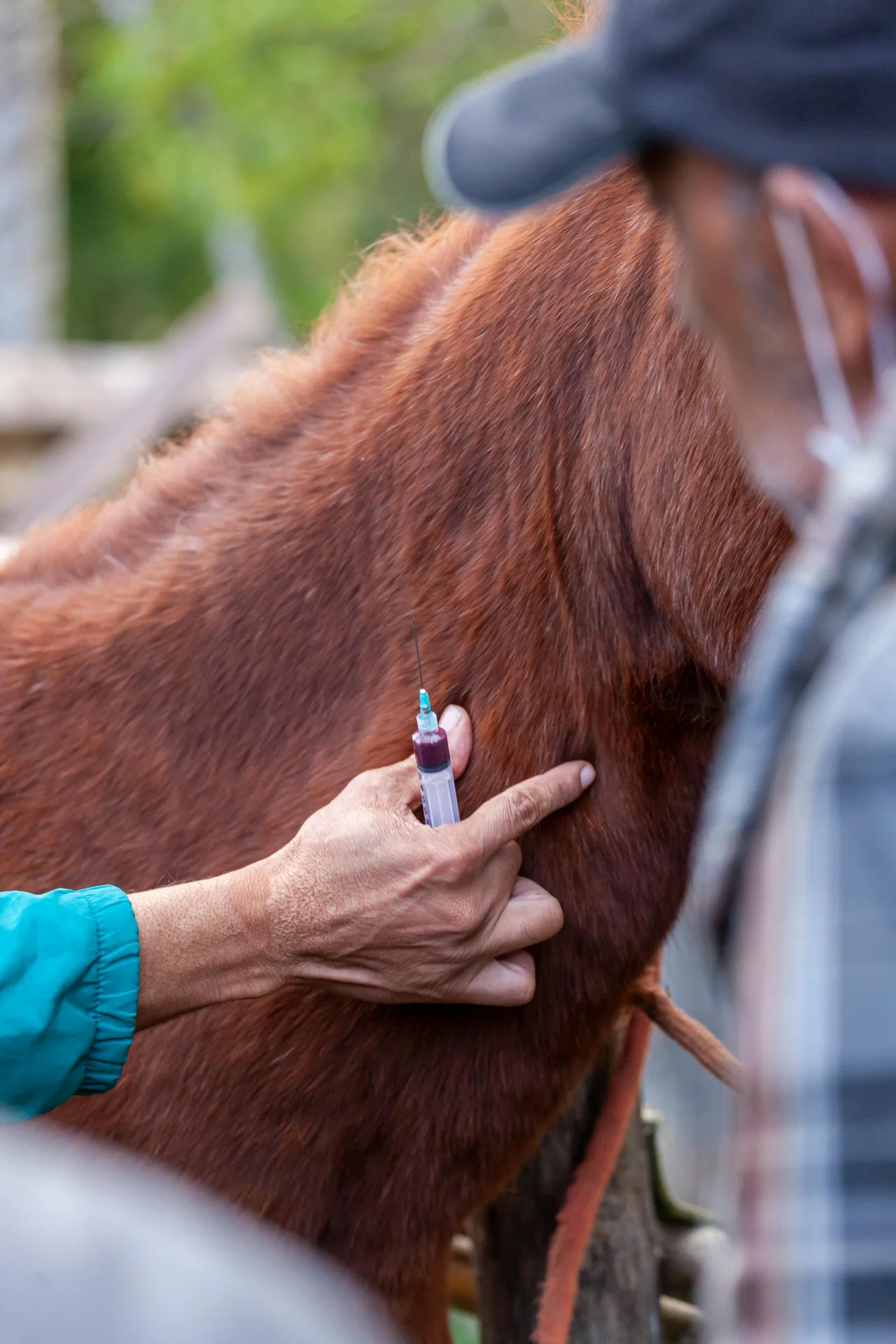
4. Billing Capture Built into the Workflow, Not Bolted on Later
Ambulatory billing rarely breaks because someone forgot to bill on purpose. It breaks because the workflow separates clinical work from invoicing.
In the field, you want to capture services as they occur:
- Exam and procedure charges
- Medications administered
- Consumables and supplies
- Call-out fees and farm visit charges
- Mileage where relevant
If the software requires you to reconstruct the visit at the end of the day, you will miss items. That is not a discipline problem. It is a workflow problem.
A workflow-centered system connects documentation to billing so charges do not depend on memory. This is exactly why equine workflow software matters for ambulatory teams.
5. Multi-Owner and Barn Realities Need to Be Handled Cleanly
Equine practices routinely deal with:
- Barn managers coordinating care
- Trainers requesting services
- Multiple horses under one visit
- Ownership partnerships or changes
A system should keep the clinical record tied to the horse and the billing tied to the correct client relationship. It should not require manual workarounds every time a barn has multiple billing arrangements.
This is one of the areas where general veterinary software often feels misaligned with equine operations. Organizations like the American Association of Equine Practitioners regularly highlight the unique operational demands of equine medicine.
6. A Clear End-of-Day Workflow That Reduces Admin Load
Ambulatory equine teams are often doing paperwork after a full day of physical work. Systems should reduce end-of-day effort by making it easy to:
- Review unfinished visit notes
- Confirm that charges were captured
- Generate and send invoices without re-entering information
- Track outstanding balances consistently
The goal is not to "work faster" in a generic sense. The goal is to avoid the second shift at night.
_1771348673727.png)
What to Look for When Evaluating Equine Veterinary Software
If your practice is primarily ambulatory, evaluate software using a farm call lens.
Ask:
- Can the schedule be managed as routes and barn groupings?
- Can I pull the right horse record quickly on-site?
- Does the system support practical field documentation?
- Do charges flow naturally from visit documentation?
- Can it handle real ownership and barn billing structures?
That is what equine veterinary software should do.
If you want a broader system-level checklist, see: equine practice management software.
And if you are comparing platforms, this guide helps: best equine practice management software.
A Practical Note on AI
Some practices are curious about AI, but most do not want tools that interfere with clinical decision-making. The value is in administrative support: reducing busywork, not changing medical judgment.
If you explore AI features, look for systems that keep AI in the operational lane: scheduling assistance, record retrieval, reminders, and task support. StableTrack AI keeps AI focused on administrative workflow support.
Final Thought
Ambulatory farm calls will always be demanding. The question is whether your software makes the day easier or adds friction.
The right system supports how equine veterinarians actually work: moving between farms, managing long-term histories, documenting under pressure, and billing accurately without relying on memory.
That is the standard equine veterinary software should meet.