Choosing a medical records system for an equine practice is not the same as choosing one for a small animal clinic.
Horses have long performance histories. Care often happens in the field. Ownership structures can be complex. And documentation must support both clinical continuity and billing accuracy.
If you are evaluating an equine medical records software system, here are the criteria that matter most in real-world practice.
1. Longitudinal Record Structure
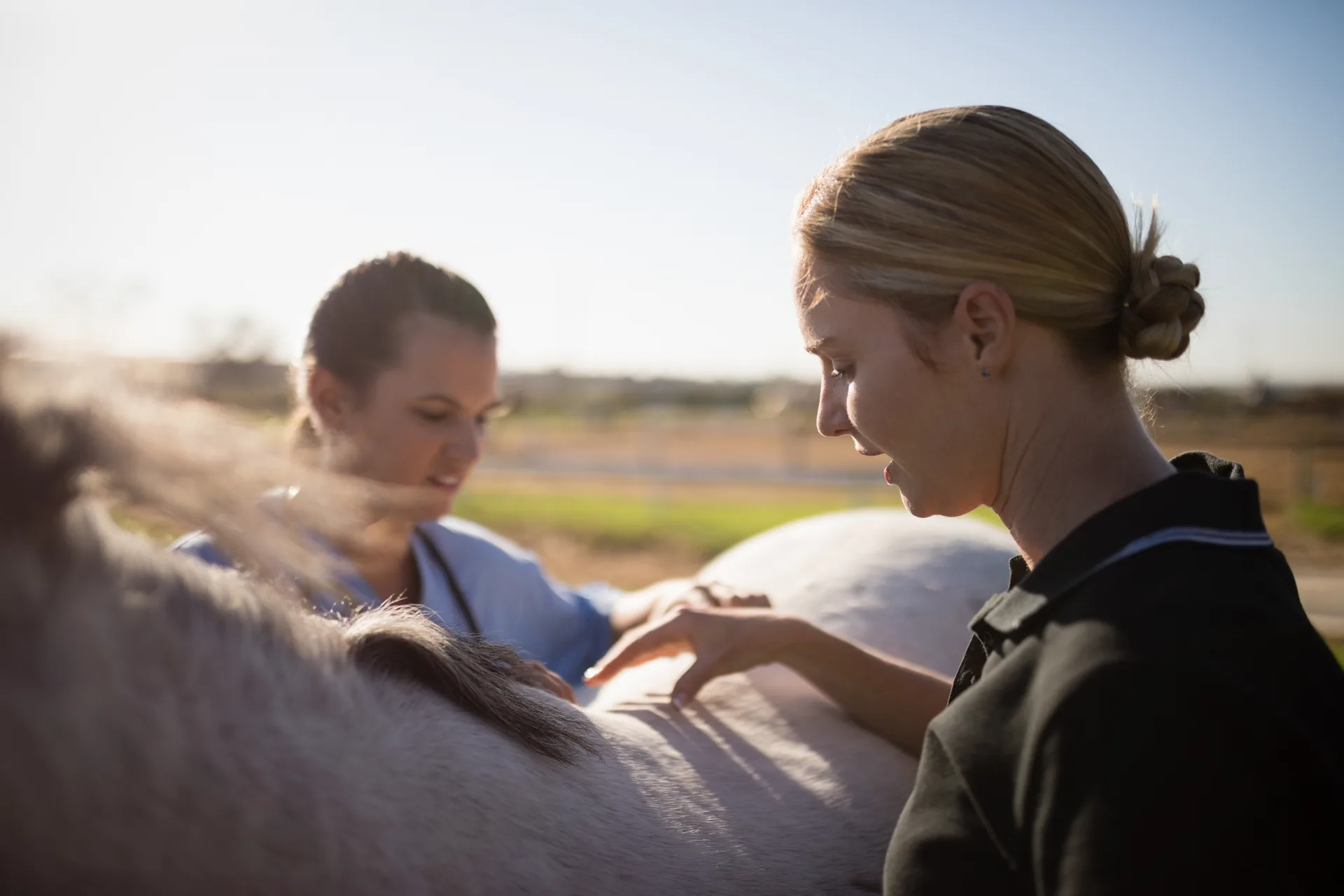
Equine patients are often seen for years.
Lameness evaluations, reproductive management, dental work, vaccination schedules, respiratory issues, and performance monitoring accumulate over time. A usable system must present that history clearly and chronologically.
Look for:
- A structured horse profile that shows visit history in order
- Easy retrieval of past exam notes
- Clear tracking of recurring treatments
- Organized diagnostic documentation
When reviewing a repeat lameness case, you should not have to dig through disconnected notes.
2. Field-Ready Access
Many equine practices are ambulatory. Records must be accessible during farm visits, not just at a clinic desk.
A system that works only in-office creates administrative backlog.
An effective equine patient records system should allow:
- Fast record retrieval in the field
- Real-time documentation during visits
- Immediate visibility into prior treatments
- Clear note entry without excessive navigation
Delayed charting increases errors and reduces billing accuracy.
For ambulatory-focused teams, this connects directly with overall equine ambulatory practice software performance.
3. Documentation That Connects to Billing
_1771348673727.png)
One of the most common inefficiencies in equine practice is the disconnect between clinical notes and invoicing.
If documentation is separate from billing:
- Charges get missed
- Line items are reconstructed from memory
- End-of-day admin workload increases
The medical record should integrate naturally into the billing workflow. Visit notes should support invoice generation, not require duplication.
This is where medical records become part of broader equine workflow software, not an isolated module. In practice, this is a core reason teams adopt practice management software for equine practices rather than stitching separate tools together.
4. Support for Multi-Owner and Barn Structures
Equine practices often manage horses owned by partnerships, syndicates, or managed within large barns.
A strong system should allow:
- Clear owner identification
- Accurate billing association
- Organized communication records
- Separation of patient history from ownership changes
This is often overlooked in general veterinary platforms.
5. Recurring Care Visibility

Vaccination programs, dentistry schedules, reproductive follow-ups, and wellness visits depend on recurring care tracking.
Your records system should make it easy to:
- Identify upcoming recurring services
- Review preventative care timelines
- Maintain structured reminders
Without this visibility, practices rely too heavily on manual tracking. The American Association of Equine Practitioners emphasizes the importance of consistent preventive care protocols across practices.
6. Built Specifically for Equine Workflow
Many systems were originally built for small animal clinics and later adapted.
Equine practice requires:
- Long-term historical depth
- Mobile usability
- Integration between documentation and billing
- Workflow alignment across ambulatory and clinic settings
When evaluating options, ensure the platform is purpose-built for equine practice management rather than retrofitted.
Final Considerations
A medical records system should reduce administrative burden, not add to it.
The right equine medical records software should:
- Keep documentation organized
- Support field-based care
- Reduce missed charges
- Improve continuity across years of patient care
If the system cannot handle ambulatory documentation, long-term equine histories, and integrated billing, it will create friction rather than solve it.
For practices exploring structured equine-focused systems, reviewing how a dedicated equine medical records software platform handles these workflows is a practical next step.