Recent conversations across the equine veterinary industry continue to point to the same issue: many ambulatory practitioners feel like their software still does not fully match the realities of field-based work.
For solo practitioners especially, the gaps are hard to ignore. Documentation often happens hours after appointments. Billing gets delayed. Imaging and reports live across multiple systems. And unreliable mobile coverage still creates friction for vets trying to work on the road.
The problem is not that equine vets dislike technology. It is that many practice management systems were originally designed around clinic-based workflows and later adapted for ambulatory use, rather than built specifically for the way field equine practice actually operates.
The workflow gap in ambulatory equine practice
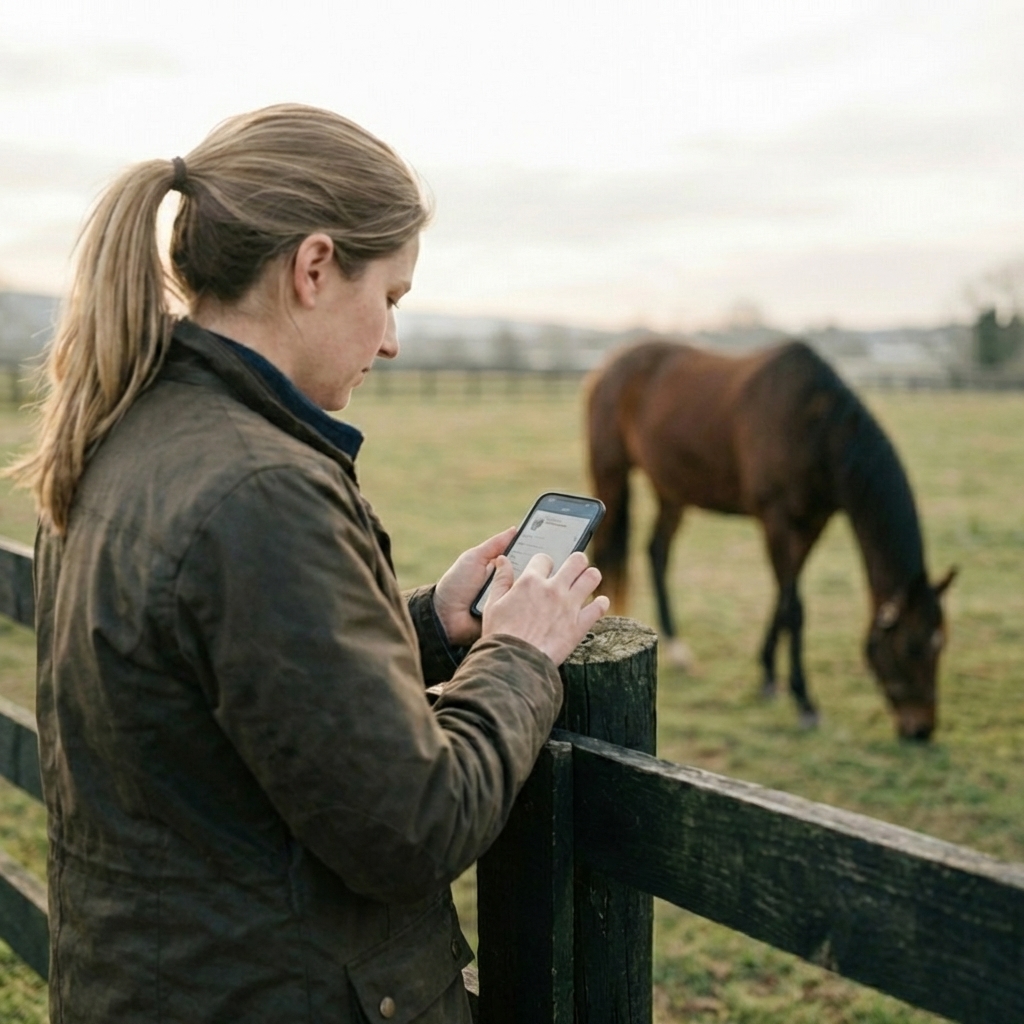
Solo ambulatory veterinarians work differently from fixed-location clinics.
A typical day might involve traveling between five or six farms, documenting cases in batches between appointments, handling horses with different owners in the same barn, and working in areas with inconsistent internet connectivity. Those workflow realities create challenges that many traditional systems still struggle to support efficiently.
This is where friction tends to appear:
- SOAP notes being completed late in the day instead of immediately after appointments
- Charges being missed during delayed documentation
- Multi-owner billing becoming overly manual
- Imaging reports sitting in inboxes instead of patient charts
- Cloud-based systems slowing down or becoming unusable in low-signal areas
For solo practitioners, these inefficiencies carry more weight because there is often no administrative team absorbing the workload behind the scenes. The same person doing the lameness exam at 8am is the one chasing unpaid invoices at 9pm.
Why connectivity still matters
Reliable offline functionality remains one of the biggest operational needs in ambulatory equine practice.
Many equine veterinarians regularly work in rural environments where signal strength changes constantly throughout the day. Systems designed around continuous cloud connectivity can create interruptions at the exact moment documentation needs to happen, between palpation and the next horse, in the bed of a truck, or under a metal-roofed barn that kills cell signal entirely.
In practice, this often leads to delayed note-taking, duplicate work, or temporary paper-based workflows that later need to be entered manually. None of those are neutral. Each one is a chance for a charge to disappear or a clinical detail to fade before it makes the chart.
Offline-capable systems built specifically for field work help reduce that friction by allowing veterinarians to continue documenting normally and sync records once connectivity returns. The test is not whether the app opens offline. It is whether you can complete a SOAP note, attach a photo, and add charges with no signal at all and have everything reconcile cleanly when you drive back into coverage.
Documentation timing affects more than record keeping
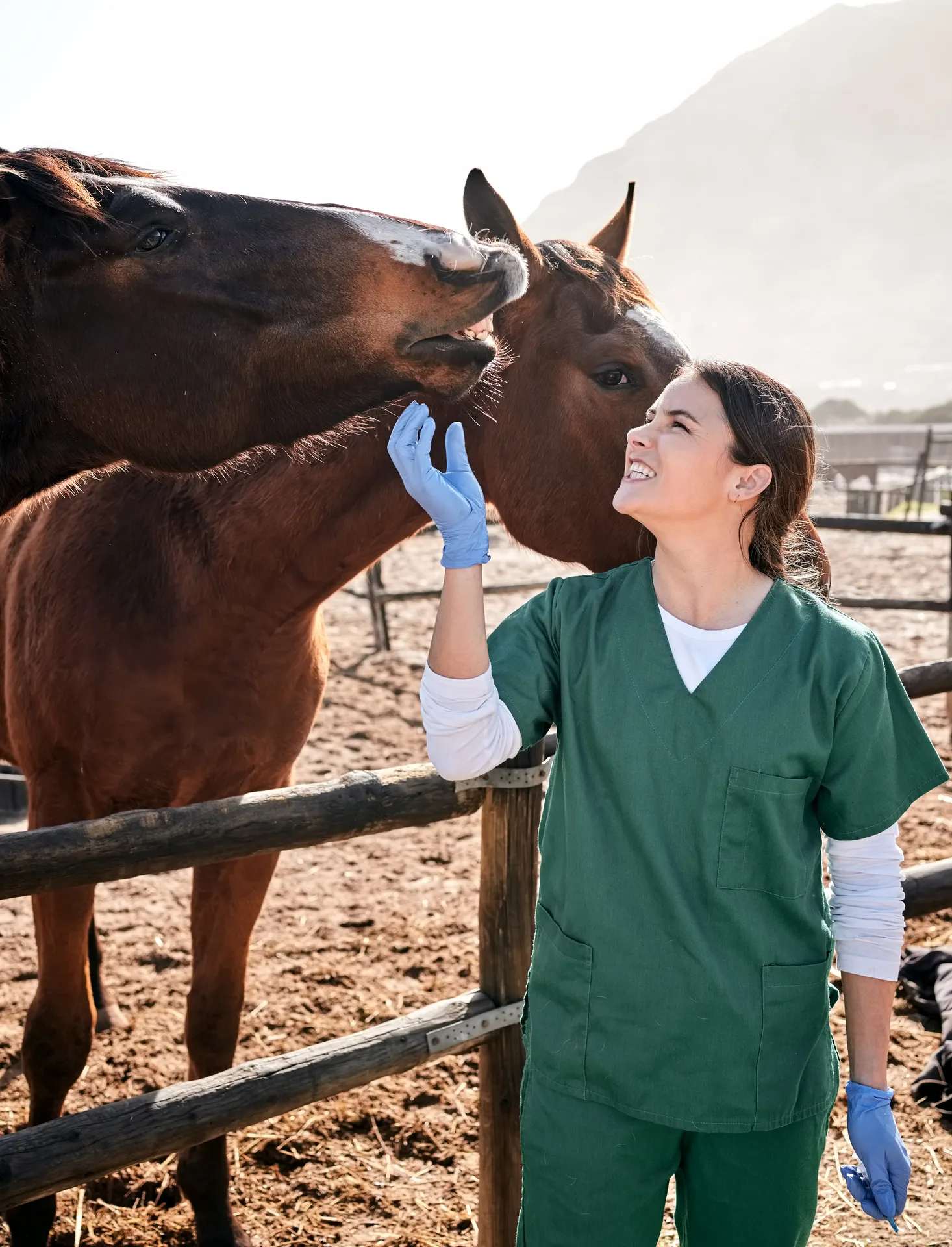
One of the biggest hidden problems in ambulatory practice is delayed documentation.
When notes are completed several hours after appointments, it becomes easier to forget charge items, treatment details, follow-up recommendations, or small procedures performed throughout the day. Over time, those gaps can affect both medical records and revenue capture.
Industry analyses of veterinary billing consistently put missed charges at roughly 5 to 10 percent of all charges, with some practice audits finding leakage closer to 20 percent. There is no equine-specific benchmark, which is part of the problem — most solo practitioners have never measured it. Equine business consultant Dr. Amy Grice recommends auditing it directly: pull 15 to 30 records of a single type, such as ambulatory calls or emergencies, compare each one against its invoice, and calculate what percentage of billable work never made it onto the bill. For a practice running at a typical equine EBITDA of around 12 percent, missing 10 percent of potential revenue cuts that margin roughly in half.
This becomes even more noticeable during large barn calls where multiple horses are seen consecutively. By the time you sit down at the truck after seeing eight horses, the order of vaccines, the lameness grade on horse three, and the dental float on horse seven have started to blur together.
Many equine practitioners are now looking for tools that support faster documentation workflows through:
- voice-to-text built around equine terminology
- structured SOAP templates that match the way you already examine
- AI-assisted note formatting that turns a spoken paragraph into clean fields
- automatic charge suggestions tied to procedures you logged
- mobile-first workflows designed for field use rather than retrofitted from desktop
The goal is not replacing clinical decision-making. It is reducing the administrative load surrounding it so the documentation can keep up with the medicine.
Why equine-specific design matters
Equine practice has operational realities that general veterinary systems do not always handle well.
Multi-owner billing, ambulatory scheduling, offline workflows, imaging coordination, and batch documentation are normal parts of equine medicine, not edge cases. A horse with a syndicate of four owners and a separate trainer paying for farrier work is a Tuesday, not an exception.
That is why many practices are increasingly prioritizing software built specifically for equine workflows rather than adapting systems originally designed for small animal clinics. StableTrack is built exclusively for equine veterinary practices, not adapted from a generic small animal system. The difference is less about features on paper and more about whether the system reflects how equine vets actually move through a day in the field. The AVMA practice management resources offer additional guidance on evaluating whether a system fits your service model.
For a deeper look at where general veterinary tools tend to fall short, see why equine practices outgrow generic veterinary software.
What solo practitioners are prioritizing now
Across the industry, the priorities are becoming clearer.
Solo ambulatory veterinarians are increasingly looking for systems that:
- work reliably offline
- reduce documentation time
- improve billing accuracy
- support voice-based workflows
- connect imaging and patient records cleanly
- minimize duplicate admin tasks
- fit naturally into field-based practice
At the core of all of it is sustainability.
For solo practitioners, software is not just an admin tool. It directly affects time, revenue, mental load, and the ability to maintain a manageable workload long term. The vet who closes the laptop at 7pm instead of 10pm three nights a week is the one who stays in practice five years from now.
As equine practice continues evolving, the practices adopting infrastructure built specifically for ambulatory workflows will likely be the ones best positioned to reduce friction and operate more efficiently day to day.
For practices exploring field-first equine workflow tools, StableTrack is built around closing the gap between documentation, billing, imaging, and ambulatory case management inside a single system. If you want to see what that looks like against your current setup, book a 15-minute walkthrough.